Explore how flexible diamond inventory helps manufacturers adapt to market changes, reduce costs, improve cash flow, and meet demand faster.
How Flexible Diamond Inventory Helps Manufacturers Respond to Market Changes
The natural diamond industry is constantly changing. Consumer preferences shift, jewelry trends evolve, regional demand moves, and economic conditions influence purchasing decisions. For manufacturers, these changes can directly affect production planning, sourcing, inventory turnover, and profitability.
Maintaining a large inventory is no longer enough. Manufacturers need the right diamonds, in the right quantities, at the right time.
This is where Flexible Diamond Inventory becomes an important part of modern diamond manufacturing. A flexible approach allows businesses to adjust stock according to market demand, respond faster to customer requirements, manage working capital more effectively, and reduce the risks associated with slow-moving inventory.
For natural diamond manufacturers, inventory is more than physical stock. It is a major business asset that influences cash flow, customer service, production efficiency, and long-term growth.
Why Market Agility Matters in Natural Diamond Manufacturing
The natural diamond market does not follow a fixed demand pattern. Buyers may show stronger interest in oval diamonds at one point and shift toward emerald, cushion, radiant, or other shapes as jewelry trends develop.
Demand can also vary according to size, clarity, color, certification, and price range. Manufacturers that maintain a rigid inventory structure may end up with excess stock in categories that no longer match customer requirements.
A Flexible Diamond Inventory strategy allows manufacturers to adjust purchasing and stock allocation based on changing market conditions. Instead of treating inventory as fixed, businesses can continuously evaluate demand and make informed stocking decisions.
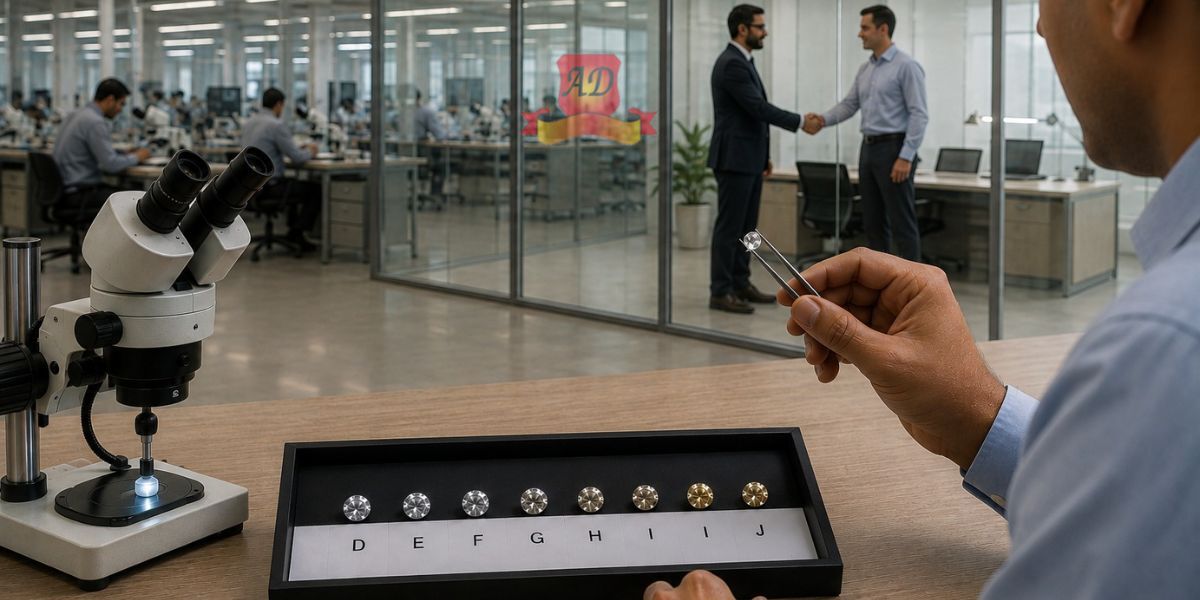
This flexibility works best when supported by strong quality control. Consistent grading helps manufacturers organize inventory accurately and maintain reliable product standards. Effective diamond color grading provides manufacturers with a standardized way to evaluate color, improve inventory classification, and maintain consistency across production.
Responding Faster to Customer Requirements
Speed has become an important factor in B2B diamond sourcing. Jewelry manufacturers, retailers, and wholesalers often need specific diamonds within tight production and delivery schedules.
A flexible inventory gives manufacturers greater access to commonly requested categories. When suitable stones are already available, businesses can reduce sourcing delays and respond to customer inquiries faster.
This can improve:
- Order fulfillment
- Production planning
- Customer satisfaction
- Inventory turnover
- Supplier coordination
- Business responsiveness
A manufacturer that can quickly provide the required shape, size, clarity, color, and certification has a stronger position in a competitive market.
Reliable sourcing also plays an important role. Strong supplier relationships, accurate procurement planning, and consistent product availability help businesses create a more dependable flow of diamonds from sourcing to delivery. Manufacturers can strengthen this process by focusing on the key factors behind a successful diamond supply chain.
Improving Cash Flow Through Flexible Inventory
Inventory requires substantial capital. When too much money is tied up in slow-moving diamonds, manufacturers have less working capital available for production, sourcing, expansion, and other business opportunities.
A Flexible Diamond Inventory approach helps manufacturers maintain a healthier balance between availability and investment. Instead of purchasing large quantities across every category, businesses can prioritize inventory that aligns with current demand.
Better stock movement can support stronger working capital management and reduce the financial pressure created by excess inventory.
Cash flow is especially important in diamond trading and manufacturing because inventory values can be significant. Businesses can improve financial efficiency by implementing diamond trading cash flow management strategies that connect purchasing decisions with inventory movement and market demand.
When capital moves efficiently, manufacturers have greater flexibility to respond to new market opportunities.
Reducing Inventory Risk
Market trends can change faster than expected. A diamond category that experiences strong demand today may move more slowly as consumer preferences or retail strategies change.
Excess inventory creates several challenges. Capital remains tied up, storage requirements increase, turnover slows, and businesses may need to make difficult pricing decisions to move older stock.
A Flexible Diamond Inventory model helps reduce this exposure by encouraging regular inventory reviews.
Manufacturers can monitor:
- Fast-moving diamond categories
- Slow-moving inventory
- Customer purchasing patterns
- Shape and size demand
- Quality and certification preferences
- Inventory turnover
- Market pricing trends
This information allows businesses to adjust procurement before excess inventory becomes a larger problem.
Flexibility does not mean maintaining minimal inventory. It means maintaining inventory that is commercially relevant and aligned with customer requirements.
Creating a Stronger Diamond Product Mix
Customer requirements vary widely across the jewelry industry. One manufacturer may need calibrated stones for a large collection, while another may require larger certified diamonds for premium jewelry.
A flexible inventory strategy allows businesses to build a product mix around actual demand instead of maintaining the same stock structure throughout the year.
Manufacturers can allocate more resources to categories with stronger demand while reducing exposure to areas where stock turnover is slower.
Quality must remain part of every inventory decision. Buying diamonds purely based on availability or price can create problems later in the production process.
Hidden costs of poor loose diamond quality can help manufacturers make more informed sourcing decisions and protect profitability, production efficiency, and customer satisfaction. The goal is not simply to have more diamonds available. The goal is to have the right diamonds available.
Supporting Responsible and Transparent Diamond Sourcing
Inventory flexibility also depends on the reliability of the sourcing network behind it.
Manufacturers need suppliers that can provide consistent quality, accurate documentation, and dependable availability. If sourcing is unreliable, even a well-planned inventory strategy can face disruptions.
Responsible sourcing has also become increasingly important across the diamond industry. Buyers want greater confidence in the origin and journey of the diamonds they purchase.
This makes ethical diamond provenance an important consideration when developing long-term sourcing and inventory strategies.
Transparent sourcing supports stronger supplier relationships and gives manufacturers greater confidence when expanding or adjusting their inventory.
Aligning Inventory With the Long-Term Value of Natural Diamonds
Flexible inventory does not mean reacting to every short-term market movement.
Manufacturers also need to consider the long-term position of natural diamonds within the jewelry industry. Rarity, authenticity, craftsmanship, emotional significance, and consumer confidence continue to influence the demand for natural diamonds.
The long-term value of natural diamonds helps businesses make inventory decisions with a broader market perspective.
For example, manufacturers can respond to current demand while maintaining strategic inventory categories that support future customer requirements.
This balanced approach helps businesses avoid overreacting to temporary market fluctuations while remaining prepared for new opportunities.
Using Inventory Data for Better Decisions
Flexible inventory becomes more effective when manufacturers have clear visibility into their stock.
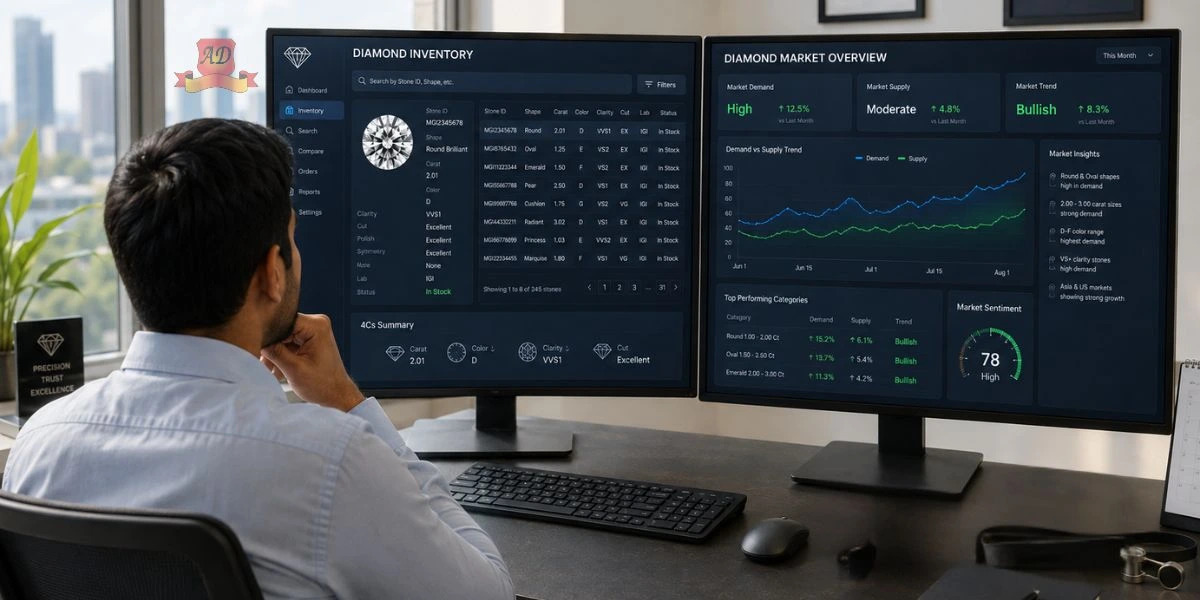
Businesses should be able to identify which diamonds are available, which categories are moving quickly, which products are understocked, and which inventory requires attention.
A structured inventory system can help manufacturers monitor:
- Diamond shape
- Carat weight
- Color
- Clarity
- Cut
- Certification
- Quantity
- Availability
- Stock movement
- Customer demand
Better visibility allows procurement and sales teams to make faster decisions.
Technology can further improve this process by providing real-time inventory information and simplifying communication between teams. A manufacturer with accurate inventory data can respond to customer requirements without spending unnecessary time searching through disconnected stock records.
A practical diamond inventory management system can therefore become an important part of improving operational efficiency and market responsiveness.
Maintaining Quality While Increasing Flexibility
Flexibility should never come at the expense of quality.
Manufacturers still need consistent standards when sourcing and selecting diamonds. Every inventory adjustment should consider the quality requirements of customers and the final jewelry application.
A well-managed flexible inventory combines availability with quality control. This helps manufacturers avoid situations where suitable quantities are available but the diamonds do not meet the required specifications.
Standardized grading, reliable certification, careful sourcing, and quality checks help businesses maintain consistency while adapting their product mix.
This creates a stronger inventory structure that supports both short-term customer needs and long-term brand reputation.
Strengthening Operational Agility
Market agility depends on more than purchasing decisions. It requires coordination across sourcing, inventory, production, sales, and customer service.
A Flexible Diamond Inventory strategy connects these functions by giving manufacturers greater control over how inventory is purchased, allocated, replenished, and sold.
When market demand changes, manufacturers can adjust procurement plans rather than waiting for inventory problems to appear.
This can help businesses:
- Reduce unnecessary stock
- Improve inventory turnover
- Respond to demand faster
- Strengthen cash flow
- Improve production planning
- Reduce sourcing delays
- Maintain better customer service
- Adapt to changing jewelry trends
Operational agility gives manufacturers a stronger ability to manage uncertainty while continuing to serve customers efficiently.
Why Flexible Diamond Inventory Is Becoming Essential
The natural diamond industry will continue to experience changes in consumer preferences, retail demand, economic conditions, and jewelry trends.
Manufacturers cannot control every market change, but they can control how effectively they respond to it.
A Flexible Diamond Inventory strategy provides the structure needed to adapt without sacrificing quality or customer service. It helps businesses maintain commercially relevant stock, manage capital efficiently, reduce inventory risks, and respond to changing requirements.
The strongest approach combines market awareness, accurate inventory data, reliable sourcing, quality control, and disciplined financial management.
Build a More Responsive Diamond Inventory Strategy
For natural diamond manufacturers, inventory flexibility is becoming an important competitive advantage. The right inventory strategy can improve operational efficiency while supporting stronger customer relationships and sustainable business growth.
With extensive experience in natural diamond manufacturing and sourcing, Anita Diamonds supports businesses with quality-focused inventory solutions and dependable natural diamond supply.
Whether the requirement involves specific diamond shapes, sizes, qualities, certified natural diamonds, or flexible sourcing support, a reliable manufacturing partner can make inventory planning more efficient.