Diamond girdle plays a vital role in durability and pricing. Learn how it impacts sourcing, handling, and consistency for B2B diamond dealers.
In the global diamond trade, precision determines value. Every aspect is important, from proportions to finish. However, one area frequently receives less attention than it should. The diamond girdle is crucial for both durability and price.
Understanding this aspect is critical for any B2B diamond dealer while sourcing. It impacts how a stone behaves when set, handled, and worn over time.
A well-evaluated girdle promotes consistency throughout inventory. It also promotes buyer trust.
Understanding The Diamond Girdle
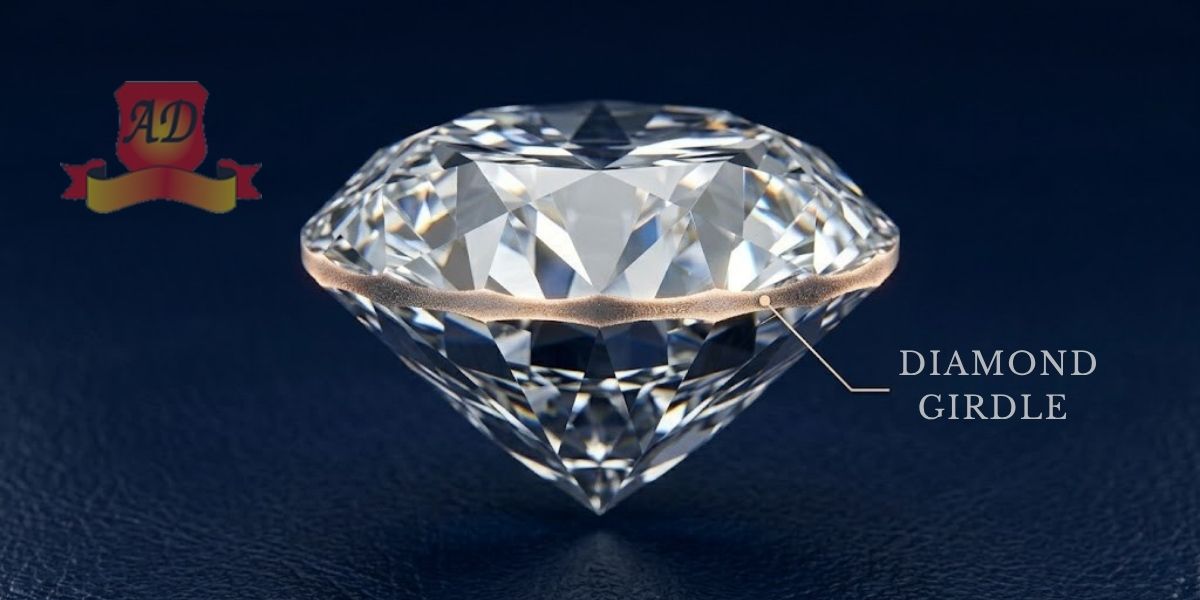
The diamond girdle is the outside edge that separates the crown and pavilion. It is the widest segment of the stone. This area frequently comes in contact with tools and settings.
During the diamond manufacturing process, cutters determine the girdle thickness. This decision influences weight retention and structural strength.
For a diamond supplier, the girdle is more than just a technical aspect. It has a direct impact on product durability, visual symmetry, and market acceptance.
Why Diamond Girdle Quality Matters In Sourcing
A well-proportioned diamond girdle keeps the stone steady during placement. It lowers the chance of chipping. It also promotes a balanced appearance.
For bulk diamond sourcing, consistency in girdle quality is even more critical. Variations might cause problems in jewellery creations. They may also influence grading outcomes.
From a commercial perspective, girdle thickness determines carat weight. A thicker girdle may add weight without increasing perceived size. This could influence pricing transparency in the diamond wholesale industry.
Types Of Diamond Girdle Finishes
-
Bruted Girdle
A bruted girdle has a slightly rough surface. It occurs when two diamonds are rotated against each other after cutting.
This type appears in various stones. It meets most diamond grading criteria. However, it may appear less polished when magnified.
-
Faceted Girdle
A faceted girdle has few polished surfaces along the edges. It provides a cleaner and more completed appearance.
Faceted girdles are popular in the high-end diamond market. They demonstrate improved craftsmanship and attention to detail.
Evaluating Diamond Girdle Thickness
Thickness is an important factor in determining diamond girdle quality. It typically ranges from very thin to very thick.
-
Thin Girdle
A very thin diamond girdle may appear charming. However, it raises the possibility of injury. Stones with incredibly thin edges require careful handling.
-
Medium Girdle
A medium girdle provides the optimum balance. It promotes durability without adding excess weight.
For most diamond dealers, this is the ideal range for sourcing.
-
Thick Girdle
A thick girdle adds weight without increasing visible size. This can have an impact on how diamond traders perceive value.
Buyers may question pricing when weight does not correspond to appearance.
Checking Girdle Consistency
Consistency across the diamond girdle is vital. Uneven thickness may indicate poor cutting precision.
During sourcing, examine the stone under magnification. Look for changes in thickness between sections.
In the diamond supply chain, consistent stones are easier to match in layouts and jewellery designs. This increases efficiency for both producers and retailers.
Identifying Girdle Inscriptions
Many diamonds have laser engravings on the girdle. These markings often include certification numbers.
It is critical for an experienced diamond dealer to check these inscriptions. It guarantees traceability and authenticity.
Make sure the lettering is clear and does not weaken the girdle structure. Poor engraving might reduce durability.
Impact Of Girdle On Diamond Setting
The diamond girdle directly influences how a stone sits in jewelery.
A balanced girdle ensures a secure setting. It decreases stress spots during mounting.
This is an important consideration for jewellery manufacturers. Stones with uneven or weak girdles may cause production concerns.
When sourcing B2B diamonds, keep the end usage in mind. A stone that is suitable for one setting may not be appropriate for another.
Common Mistakes During Girdle Evaluation
Many purchasers focus just on the 4Cs. They miss structural components such as the diamond girdle.
Another typical mistake is to ignore slight inconsistencies. In large orders, these variances can provide substantial issues.
Some dealers accept heavy girdles without considering the impact on cost. This can have an impact on the competitiveness of diamond wholesalers.
Best Practices For Diamond Dealers
To ensure quality sourcing, follow a structured approach
- Inspect the girdle under proper magnification
- Check thickness grading in certification reports
- Prefer consistent girdle proportions
- Evaluate finish quality such as bruted or faceted
- Align girdle characteristics with end-use requirements
These methods contribute to better decision-making in the global diamond market. They also help to keep long-term client relationships.
It may appear to be a minor element, yet it is very important when making sourcing decisions. It has an impact on product durability, cost, and usage.
Understanding girdle quality is essential for any competent diamond trader. It's a necessary skill, it guarantees that each stone satisfies both technical and commercial specifications.
When sourcing at scale, consistency in girdle evaluation leads to more stronger inventory and smoother processes. It also builds credibility in a competitive market.
If you want to improve your sourcing standards and develop a solid inventory, you need collaborate with knowledgeable partners who understand every detail, including the diamond girdle.
Anita Diamonds, provides B2B buyers with carefully chosen and quality-checked diamonds. Contact us to strengthen your sourcing strategy with confidence and precision.