Explore the evolution of diamond design, modern jewellery trends, and sourcing shifts shaping certified diamonds and global supply networks.
The world of fine jewellery changes with time; design trends shift, technology advances, and consumer expectations rise. Yet diamonds remain at the centre of it all.
The evolution of diamond design reflects this journey. It shows how craftsmanship adapts to modern values while preserving tradition.
For a professional diamond dealer, understanding this shift is essential. As it shapes sourcing decisions, influences client preferences, and defines long-term partnerships.
The industry is witnessing remarkable transformations in modern diamond jewellery, diamond manufacturing, and global diamond supply networks.
Heritage Craftsmanship Shapes Early Diamond Design
Traditional diamond jewellery focuses on symmetry and formality. Classic solitaires dominate the market, brilliant round cuts lead demand, and yellow gold and platinum remain popular choices.
In the early stages of the evolution of diamonds, jewellers prioritise durability and timeless appeal. Hand-setting techniques define quality, and master artisans shape each stone with precision.
For a wholesale diamond supplier, consistency matters more than experimentation. Buyers seek reliable certified diamonds with standard cuts and predictable margins. The supply chain stays stable. Design remains conservative.
However, global exposure begins to influence taste. International exhibitions and trade fairs expand creative horizons. Gradually, the evolution of diamond design gains momentum.
Technology Transforms Diamond Cutting and Design
Technology drives the next phase in the evolution of diamond. Computer-aided design changes how jewellers create pieces. Precision mapping improves cut accuracy, and laser cutting enhances brilliance.
Advanced planning tools allow better yield from rough stones. This improves efficiency in diamond manufacturing. Dealers now offer stones with refined proportions and superior polish.
Innovation also introduces new fancy cuts. Cushion, pear, oval, and emerald cuts gain popularity. Buyers look beyond the round brilliant. The market responds with diversity.
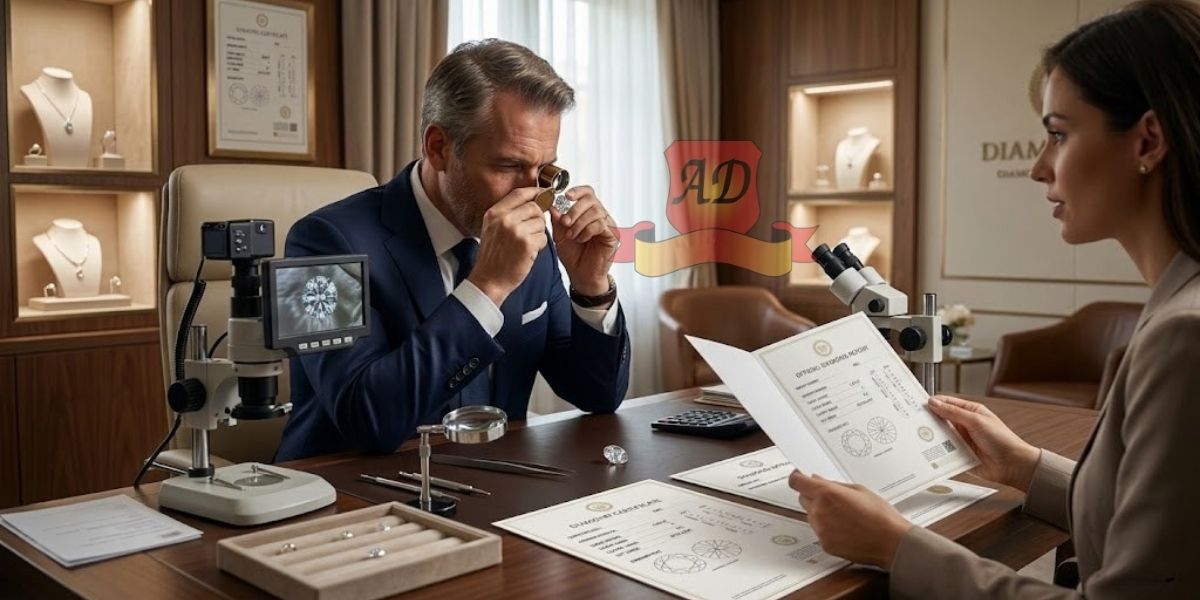
For a professional diamond dealer, technological progress means improved traceability and grading accuracy. High standards in diamond grading and certification build trust across international markets.
Diamond design has evolved to strike a balance between tradition and precise engineering.
Changing Consumer Values Influence Design Trends
Modern buyers value individuality. They seek uniqueness over uniformity. This shift impacts the evolution of diamond in a significant way.
Minimalist settings rise in demand. Hidden halos and sleek bands replace heavy mountings. Mixed metals enter the market, and customisation becomes common.
Sustainability also shapes buying decisions. Ethical sourcing and transparent diamond supply chain practices gain importance. Retailers request origin information. Dealers respond with responsible sourcing policies.
For the B2B sector, this change means adapting inventory. A forward-thinking loose diamond supplier now stocks a wider range of shapes and qualities to meet varied design needs.
The evolution of diamond design aligns closely with social awareness and refined taste.
The Rise of Customisation in Modern Jewellery
Customisation defines the current stage of diamond evolution. Retail jewellers demand flexibility. Designers request stones in precise dimensions. Brands seek exclusive collections.
Technology supports this demand. 3D modelling allows rapid prototyping. Clients visualise designs before production begins. The outcome reduces risk and improves satisfaction.
In the B2B space, a strong diamond trading company offers tailoured assortments. Matching pairs, calibrated stones, and layout planning become part of daily operations.
Customisation also fosters cooperation between designers and dealers. The evolution of diamond design now involves joint creativity rather than isolated production.
Global Markets Redefine Diamond Preferences
The diamond industry operates on a global scale. Cultural influences shape buying patterns. Asian markets favour certain shapes and sizes. European buyers prefer subtle elegance. Middle Eastern demand often leans towards larger stones.
This international exposure accelerates the diamond evolution. Trends travel quickly across borders. Digital platforms showcase designs worldwide.
For a reputable diamond exporter, market awareness becomes crucial. Stock selection reflects regional demand. Flexibility ensures competitiveness.
The modern diamond wholesale market values speed and transparency. Real-time pricing, ethical documentation, and reliable delivery define strong partnerships.
The evolution of diamond design therefore reflects global connectivity.
Innovation Meets Responsibility
Today’s evolution of diamond is not only about design. It is also about responsibility. Environmental awareness influences sourcing practices. Compliance standards become stricter.
Dealers invest in transparent documentation. Buyers request assurances regarding mining and labour practices. Certification bodies play a larger role.
Responsible practices strengthen trust within the B2B diamond industry. Long-term relationships depend on credibility. Modern design thrives when supported by ethical foundations.
Design Trends Shaping the Present
Several trends define the current landscape:
- Fancy shapes gain steady demand
- Stackable rings create layered looks
- Lightweight settings appeal to modern lifestyles
- Statement pieces return with bold geometry
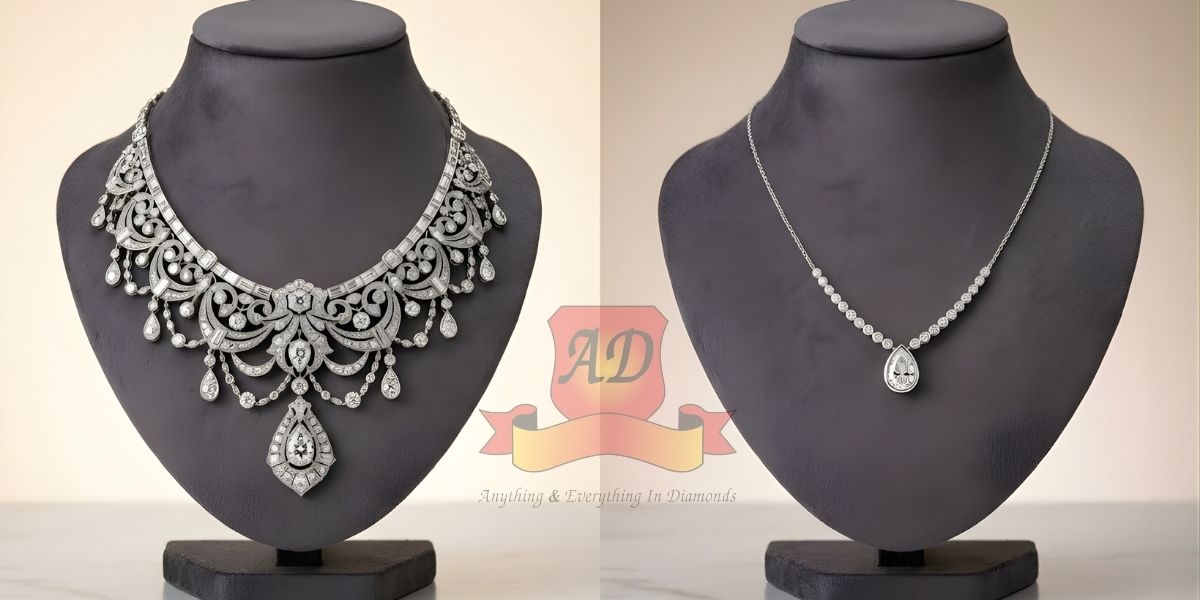
- Vintage inspiration blends with contemporary finishing
Each trend influences sourcing strategy. A proactive diamond dealer anticipates demand shifts and adapts stock accordingly.
These continue as designers experiment with proportion and structure while preserving brilliance and fire.
What This Means for Diamond Dealers
For B2B professionals, understanding these is not optional. It supports better forecasting, guides procurement strategy, and strengthens relationships with retailers and designers.
Modern jewellery demands:
- High-precision cutting
- Consistent grading
- Ethical sourcing
- Flexible inventory
- Global distribution capability
A knowledgeable wholesale diamond partner stays informed and adaptable. Education becomes a competitive advantage.
Thus, it ultimately reflects collaboration between miners, manufacturers, dealers, and designers.
The journey of diamond design reflects progress. It connects heritage with innovation. It balances artistry with technology. The evolution of diamonds continues to shape modern jewellery and redefine trade expectations.
Anita Diamonds grows alongside this transformation. We understand shifting design trends and global B2B demands. It values precision, transparency, and responsible sourcing.
As the industry advances, informed partnerships become more important than ever. If you wish to explore how evolving design trends influence sourcing strategies and inventory planning, connect with us.