
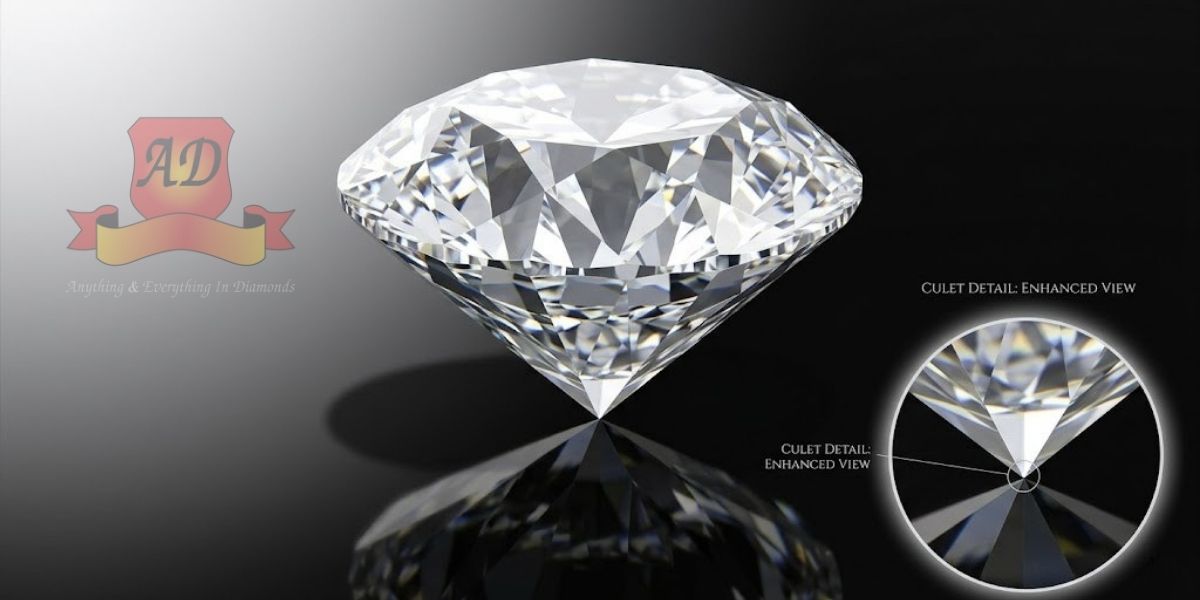
Understand diamond culet grades and their impact on brilliance, craftsmanship, and quality to make informed sourcing decisions in the diamond trade.
Diamonds carry value beyond their brilliance. Every detail in a stone reflects its craftsmanship and quality. Among these details, diamond culet grades often receive less attention, yet they play a vital role in a diamond’s overall performance.
For professional buyers and traders, understanding this small but critical feature supports better sourcing decisions.
Understanding the Diamond Culet
The culet is the tiny facet at the very bottom tip of a diamond. It sits where the pavilion facets meet. In some diamonds, the culet appears as a small flat surface. In others, it is so fine that it is almost invisible.
Historically, cutters added a culet to prevent chipping. Today, modern cutting techniques often minimise or eliminate it. However, the culet still remains an important grading factor in diamond evaluation.
For diamond dealers, recognising culet size helps assess durability and light performance.
What Diamond Culet Grades Represent
Diamond culet grades describe the size of the culet facet. Grading laboratories classify it into categories that range from none to very large.
The standard culet grades include:
- None
- Very Small
- Small
- Medium
- Slightly Large
- Large
- Very Large
Each grade reflects how visible the culet is under magnification and sometimes to the naked eye.
In professional trading, diamond culet grades influence both visual appeal and market demand.
Why Diamond Culet Grades Matter in Real Diamonds
The culet may appear minor, but it affects several key aspects of a diamond.
Light performance
A large culet can allow light to escape from the bottom. This reduces brilliance. Stones with smaller culets maintain stronger light return.
Visual appearance
A very large culet may appear as a dark spot when viewed from the top. This can impact the overall look of the diamond.
Structural integrity
A culet protects the tip of the diamond from damage. Stones without a culet may be slightly more vulnerable, though modern cutting reduces this risk.
For diamond dealers, balancing these factors is essential when evaluating inventory.
Ideal Diamond Culet Grades for Trade
In most commercial and high-value diamonds, the preferred diamond culet grades are:
- None
- Very Small
- Small
These grades offer the best balance between brilliance and durability. They also align with current market preferences.
Buyers in the B2B segment often prioritise stones with minimal culets. This ensures better resale value and wider acceptance across global markets.
How Diamond Culet Grades Affect Pricing
Pricing in the diamond trade depends on multiple factors. While the culet is not the primary driver, it still contributes to value.
- Diamonds with no culet or very small culets command better prices
- Medium to large culets may reduce desirability
- Very large culets can significantly impact value due to visible imperfections
Professional buyers often use diamond culet grades alongside cut, clarity, and symmetry to determine pricing accuracy.
Evaluating Diamond Culet Grades in Bulk Buying
For diamond dealers handling large volumes, efficiency in grading becomes crucial.
Here are practical considerations:
Consistency across parcels
Ensure that culet grades remain consistent within a batch. Mixed grades may affect uniformity in jewellery production.
Certification alignment
Always verify culet grading with recognised laboratory reports. This ensures transparency in transactions.
End-use application
Different markets demand different standards. High-end jewellery requires finer culets, whereas commercial segments may accept slight variations.
Understanding diamond culet grades helps streamline sourcing decisions and reduces risk in bulk procurement.
Common Misconceptions About Diamond Culets
Many buyers misunderstand the role of the culet. Clearing these misconceptions improves decision-making.
Bigger culet means better durability
While a larger culet protects the tip, it compromises brilliance. Modern cutting reduces the need for large culets.
Culet is not important
In reality, diamond culet grades influence both appearance and trade value. Ignoring it can lead to poor purchasing choices.
All diamonds have visible culets
Most modern diamonds have minimal or no culets. Visible culets are less common in contemporary cuts.
Diamond Culet Grades and Modern Cutting Standards
The diamond industry continues to evolve. Precision cutting now allows for minimal or no culet without compromising durability.
This shift aligns with market demand for maximum brilliance. As a result, diamond culet grades like “none” and “very small” dominate modern inventories.
For diamond dealers, staying updated with these standards ensures competitiveness in global markets.
Practical Tips for Diamond Dealers
To make the most of your sourcing strategy, consider these tips:
- Prioritise diamonds with minimal culet sizes
- Use magnification tools for accurate assessment
- Align purchases with target market preferences
- Cross-check grading reports before finalising deals
A clear understanding of diamond culet grades supports better negotiation and inventory planning.
The culet may be small, but its impact is significant. From brilliance to durability, it plays a role in defining a diamond’s quality.
For professionals in the diamond trade, knowledge of diamond culet grades adds depth to evaluation skills. It also supports better buying decisions in a competitive market.
At Anita Diamonds, expertise built over years helps simplify such complexities for partners across the industry.
If you are looking to source diamonds with precise grading and consistent quality, contact us. Explore a refined selection tailored to meet modern trade requirements.