Explore fancy shape diamonds for luxury jewellery manufacturing. Learn how unique diamond shapes enhance design appeal, exclusivity, and market demand.
A Guide to Fancy Shape Diamonds for Luxury Jewellery Manufacturers
Introduction
Luxury jewellery continues to evolve as customer preferences become more diverse and design-driven.
While round diamonds remain a classic choice, many manufacturers are increasingly incorporating Fancy Shape Diamonds into their collections to create distinctive pieces that appeal to modern buyers.
As demand for personalised and unique jewellery grows, fancy shapes offer greater opportunities for creativity, exclusivity, and product differentiation.
Recent industry research from the Natural Diamond Council highlights a growing consumer preference for fancy-shaped diamonds, particularly elongated cuts that allow buyers to express individuality through jewellery design.
For jewellery manufacturers, understanding the characteristics of different diamond shapes is essential. Each cut offers its own visual appeal, light performance, and design versatility.
Combined with efficient sourcing and strong inventory planning, factors such as diamond availability can significantly influence how quickly manufacturers bring new collections to market and respond to customer demand.
This guide explores the most popular Fancy Shape Diamonds, their applications in luxury jewellery, and the key considerations manufacturers should evaluate when selecting shapes for their collections.
Understanding Fancy Shape Diamonds
Fancy Shape Diamonds refer to all diamond cuts other than the traditional round brilliant.
These shapes provide jewellery designers and manufacturers with a wider creative canvas, allowing them to develop collections that stand apart in an increasingly competitive luxury market.
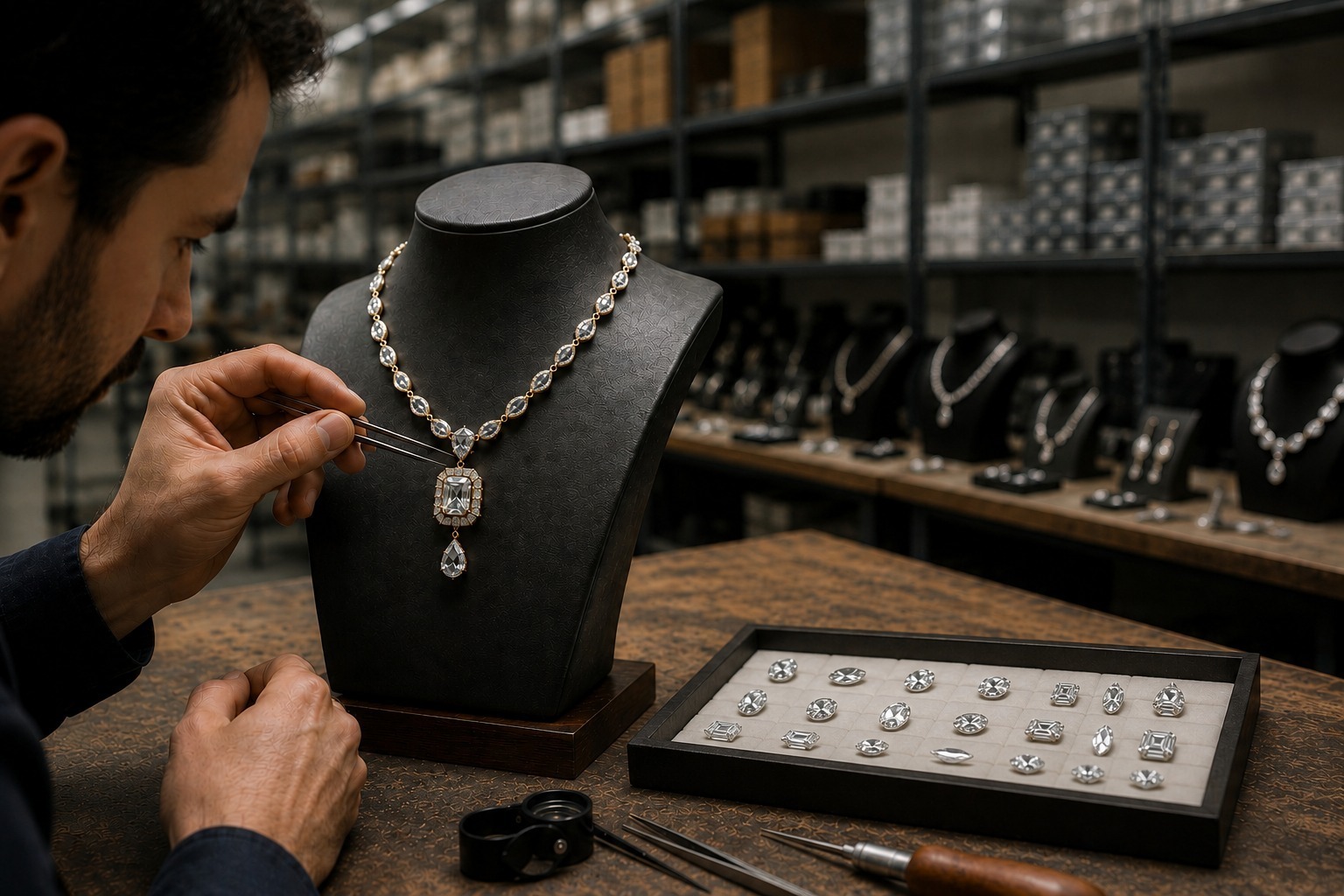
Some of the most sought-after fancy shapes include:
- Oval
- Pear
- Marquise
- Emerald
- Cushion
- Princess
- Asscher
- Radiant
- Heart
Each shape offers unique advantages. Some maximise brilliance, while others highlight elegance, clarity, or visual size.
For luxury jewellery brands seeking distinctive designs, Fancy Shape Diamonds provide endless possibilities for innovation.
As consumers continue to seek individuality in their jewellery purchases, these shapes have become an important part of modern jewellery manufacturing.
Why Fancy Shape Diamonds Matter in Luxury Jewellery
Today's luxury jewellery buyers are increasingly drawn to pieces that feel personal and exclusive.
Fancy Shape Diamonds help manufacturers meet these expectations by offering alternatives that differ from conventional round diamonds.
Their growing popularity stems from several advantages:
- Unique visual appeal
- Greater design flexibility
- Expanded collection diversity
- Enhanced customisation opportunities
- Stronger product differentiation
These benefits allow manufacturers to create collections that appeal to both traditional jewellery buyers and customers seeking contemporary designs.
When paired with factors such as excellent craftsmanship and precise finishing, including the right diamond polish grades, fancy shapes can elevate the overall appearance and perceived value of a jewellery piece.
Popular Fancy Shape Diamonds and Their Design Applications
Understanding how different shapes perform within jewellery designs helps manufacturers select the most suitable diamonds for each project.
Oval Diamonds
Oval diamonds combine impressive brilliance with an elongated silhouette that often creates the illusion of a larger stone.
They are frequently used in:
- Solitaire rings
- Engagement rings
- Pendants
- Halo settings
Their balance of sparkle and elegance makes them a popular alternative to round diamonds for modern luxury collections.
Pear Diamonds
Pear-shaped diamonds feature a rounded end and a pointed tip, creating a graceful and sophisticated appearance.
Common applications include:
- Statement rings
- Drop earrings
- Luxury pendants
- Bridal jewellery
Because of their distinctive shape, pear diamonds often attract customers looking for jewellery with a unique identity.
Marquise Diamonds
With pointed ends and an elongated profile, marquise diamonds maximise visual spread and create an elegant look.
Manufacturers often incorporate them into:
- Vintage-inspired designs
- Cocktail rings
- Luxury necklaces
- Bridal collections
Their dramatic shape makes them particularly effective as centre stones in statement jewellery.
Emerald Diamonds
Emerald-cut diamonds are celebrated for their clean lines and understated sophistication. Rather than prioritising sparkle, they emphasise clarity through step-cut facets.
They are commonly featured in:
- Luxury engagement rings
- Men's jewellery
- Contemporary collections
- Minimalist designs
Since clarity plays a significant role in their beauty, understanding grading factors such as diamond culet grades can help manufacturers make informed sourcing decisions when selecting emerald-cut stones.
Cushion Diamonds
Cushion diamonds combine soft rounded corners with larger facets that produce attractive brilliance.
Popular uses include:
- Vintage-inspired rings
- Bridal jewellery
- Statement pieces
- Luxury collections
Their timeless appeal continues to make them one of the most versatile Fancy Shape Diamonds available.
Radiant Diamonds
Radiant diamonds blend the brilliance associated with round diamonds and the structured appearance of emerald cuts.
They are frequently chosen for:
- Modern engagement rings
- Designer collections
- Luxury earrings
- Fashion-forward jewellery
Their combination of sparkle and shape appeals to customers seeking contemporary luxury.
Asscher Diamonds
Known for their geometric symmetry and distinctive step-cut facets, Asscher diamonds deliver a striking hall-of-mirrors effect that highlights clarity and craftsmanship. Their unique visual character explains why asscher shaped diamonds are known for their timeless elegance and continued popularity among luxury jewellery buyers.
They are often featured in:
- Vintage-inspired rings
- Art Deco collections
- Luxury statement jewellery
- Bespoke designs
Key Factors Jewellery Manufacturers Should Consider
Selecting Fancy Shape Diamonds requires more than choosing an attractive cut. Several technical and design considerations influence the final result.
Design Compatibility
Every diamond shape interacts differently with jewellery settings and overall design concepts.
For example:
- Pear diamonds create elegant pendants.
- Cushion diamonds complement vintage aesthetics.
- Emerald diamonds enhance minimalist luxury designs.
Aligning shape selection with design intent ensures visual harmony throughout the finished piece.
Length-to-Width Ratio
The length-to-width ratio directly affects a diamond's appearance.
A well-balanced ratio helps achieve:
- Better symmetry
- Improved proportions
- Enhanced visual appeal
Manufacturers often evaluate these measurements carefully to maintain consistency across collections.
Brilliance and Light Performance
Each shape reflects light differently.
Brilliant-cut diamonds such as oval, radiant, and cushion shapes generally produce greater sparkle. Step-cut diamonds such as emerald and Asscher cuts create a more refined visual effect that emphasises clarity.
Understanding these differences helps manufacturers align their designs with customer preferences and intended aesthetics.
Setting Requirements
Certain shapes require additional protection due to pointed edges or corners.
Examples include:
- Pear diamonds requiring protection at the tip
- Marquise diamonds benefiting from secure end settings
- Heart-shaped diamonds requiring precise alignment
Appropriate setting choices help preserve both durability and visual appeal.
For exceptionally valuable stones, specialised handling and sourcing practices become increasingly important, particularly when working with rare diamonds that require additional expertise throughout the manufacturing process.
How Fancy Shape Diamonds Create Product Differentiation
Competition within the luxury jewellery sector continues to increase, making product differentiation more important than ever.
Fancy Shape Diamonds help manufacturers stand out by enabling:
- Signature collections
- Distinctive centre stone designs
- Personalised jewellery experiences
- Exclusive luxury offerings
Many successful jewellery brands use fancy shapes to establish recognisable design identities and appeal to niche customer segments.
In addition, consumers are becoming more conscious about sourcing practices. Incorporating diamonds with transparent and responsible origins can strengthen brand credibility, which is one reason ethical diamond provenance has become an increasingly important purchasing consideration for both manufacturers and end customers.
Shape diversity also allows manufacturers to expand their product offerings without fundamentally changing production processes, making it a practical strategy for long-term growth.
Emerging Trends in Fancy Shape Diamonds
Consumer preferences continue to shape the future of luxury jewellery, and several trends are contributing to the rising popularity of Fancy Shape Diamonds.
Elongated Shapes Continue to Dominate
Oval, pear, and marquise diamonds remain highly desirable because they create a larger visual appearance while maintaining elegance.
Non-Traditional Engagement Rings
Many buyers now prefer engagement rings featuring fancy-shaped centre stones instead of traditional round diamonds.
Growth of Bespoke Jewellery
Custom jewellery projects frequently incorporate unique diamond shapes to create one-of-a-kind pieces tailored to individual preferences.
Mixed-Shape Designs
Designers are increasingly combining multiple diamond shapes within a single piece to create modern and artistic jewellery collections.
Faster Collection Development
As jewellery businesses seek shorter production cycles and quicker market responsiveness, efficient sourcing and stronger diamond inventory management continue to support the development of trend-driven collections without unnecessary delays.
Shaping the Future of Luxury Jewellery
Fancy Shape Diamonds continue to redefine luxury jewellery by offering manufacturers greater creative freedom, distinctive aesthetics, and stronger opportunities for differentiation. From the brilliance of oval and radiant diamonds to the refined elegance of emerald and Asscher cuts, each shape contributes unique characteristics that enhance both design and customer appeal.
Success in luxury jewellery manufacturing depends not only on selecting the right diamond shape but also on understanding factors such as light performance, proportions, finishing quality, sourcing practices, and production efficiency. When these elements come together, manufacturers can create collections that resonate with today's increasingly sophisticated consumers.
As demand for individuality and craftsmanship continues to grow, Fancy Shape Diamonds remain an essential tool for developing memorable jewellery collections that capture attention and maintain lasting value.
Create Distinctive Jewellery Collections with Expert Diamond Sourcing
Selecting the right diamond shape is only part of creating exceptional luxury jewellery. Reliable sourcing, consistent quality, and access to a broad range of natural diamonds are equally important in bringing creative concepts to life.
With more than 15 years of industry expertise, Anita Diamonds supports jewellery manufacturers with carefully sourced natural diamonds, dependable supply solutions, and a commitment to helping businesses develop jewellery collections that stand out in today's competitive market.