Understand diamond certificates, grading standards, and authenticity checks to make smarter natural diamond buying decisions with confidence.
How Jewellers Lose Money while Buying Natural Diamonds?
Buying natural diamonds looks simple from the outside. In reality, it is a high-risk process. Every decision affects margins.
Every mistake reduces profit. Many dealers do not notice where the loss begins. Over time, small gaps turn into serious financial damage. This is exactly where Jewellers Lose Money without realising it.
This blog explains the key areas where losses happen. It focuses on practical insights from years of trading experience.
The goal is simple. Help jewellers buy better. Help them protect their margins.
Poor Understanding of Diamond Grading
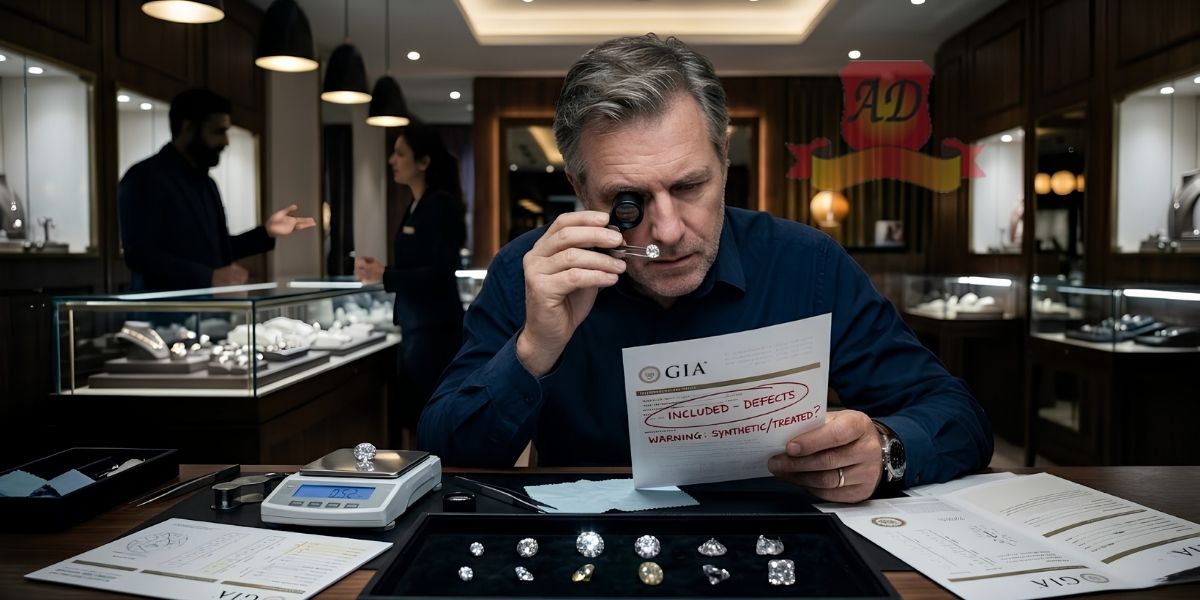
Diamond grading drives value. Cut, color, clarity, and carat decide pricing. A small misjudgment creates a big pricing gap. Many buyers rely only on visual checks. They skip deeper analysis.
For example, a stone may look clean. But it may carry inclusions under magnification. That difference changes its resale value. Consistency in grading knowledge is essential. Without it, buying becomes guesswork.
Ignoring Certification Differences
Not all diamond certificates hold the same market trust. Some labs follow stricter grading standards. Others are more lenient. This creates pricing confusion.
A diamond graded by a softer lab may appear like a better deal. In reality, its actual market value may be lower. When reselling, buyers may discount it heavily.This is where jewellers lose control over their margins again. .
Understanding certification credibility protects buying decisions.
Overpaying for Inventory
Inventory buying often happens under pressure. Market trends move fast. Demand spikes create urgency. Many jewellers overpay just to secure stock.
This affects cash flow. It also reduces profit margins during resale. The stone must be sold at a higher price to recover costs. That is not always possible.
Lack of Market Awareness
Diamond pricing is not static. It shifts with demand, supply, and global trends. Buyers who do not track the market often pay outdated prices.
For example, certain sizes or shapes may slow down in demand. Yet, buyers continue purchasing them at old rates. Later, selling becomes difficult. Discounts become necessary.
This gap between buying price and selling price explains how Jewellers lose money over time.
Poor Supplier Selection
The supplier plays a critical role in diamond trading. Not all suppliers offer consistent quality. Some mix better stones with weaker ones. Others lack transparency in pricing.
Working with unreliable suppliers increases risk. The buyer may receive stones that do not match expectations. Returns and replacements take time. That delays business cycles.
Ignoring Cut Quality Impact
Cut quality directly affects brilliance. It also impacts pricing. Many buyers focus more on carat weight than cut precision.
A poorly cut diamond may weigh more. But it may not perform visually. Customers often reject such stones. That leads to slow-moving inventory.
Holding such stock blocks capital. This is a key area where Jewellers lose money without immediate visibility.
Buying Without Clear Demand Planning
Inventory should match customer demand. Many jewellers buy based on availability instead of need. This creates an imbalance.
Certain stones move fast. Others stay in stock for months. Slow-moving inventory locks working capital. It also increases holding costs.
Without demand planning, buying becomes inefficient. This is a practical reason why Jewellers lose money in the long run.
Weak Negotiation Strategy
Negotiation is part of diamond buying. Small price differences matter. Even a minor discount improves margins.
Some buyers accept first quotes without negotiation. Others lack market comparison data. This weakens their position.
Missing negotiation opportunities leads to higher purchase costs.
Overlooking Fluorescence and Other Factors
Fluorescence affects diamond appearance and value. In some stones, it reduces visual appeal. In others, it may not matter.
Buyers who ignore such factors may misprice diamonds. The stone may not sell at expected rates.
Other aspects like symmetry and polish also impact value. Ignoring these details explains how Jewellers lose money during resale.
Emotional Buying Decisions
Diamond buying should be data-driven. However, emotional decisions still happen. A stone may look attractive. The buyer may feel it is a good deal.
Without proper analysis, this leads to overpaying. Emotional buying removes discipline.
Lack of Long-Term Strategy
Diamond trading is not just about individual deals. It requires a long-term approach. Buyers must plan inventory mix, pricing strategy, and supplier relationships.
Without a clear strategy, buying becomes reactive. This increases risk. It also reduces consistency in profits.
A structured approach helps avoid situations where Jewellers Lose Money repeatedly.
Diamond buying is a skill. It improves with experience and discipline. Every step matters. From grading to pricing, each decision affects profitability.
Losses do not always come from big mistakes. They often come from small gaps in knowledge and process. Identifying these gaps is the first step. Correcting them builds stronger margins.
Jewellers who focus on informed buying create long-term stability. They reduce risk. They improve Diamond inventory performance. Most importantly, they stop the cycle where Jewellers lose money without control.
If you want better consistency in your diamond sourcing, work with a partner who understands market realities and grading precision. Connect with Anita Diamonds to explore reliable natural diamond options tailored for serious jewellers.