Discover how diamond polish grades affect surface quality, brilliance, and overall value. Learn why a well-polished diamond makes a lasting difference in performance and appeal.
In the diamond trade, precision determines value. Every detail is important.Among the key factors, diamond polish grade has a direct impact on how a stone performs. It influences not only the look, but also how light interacts with the surface.
For B2B buyers, understanding diamond polish is essential. It helps in obtaining constant quality. It also encourages smarter pricing decisions.
Understanding Diamond Polish Grade
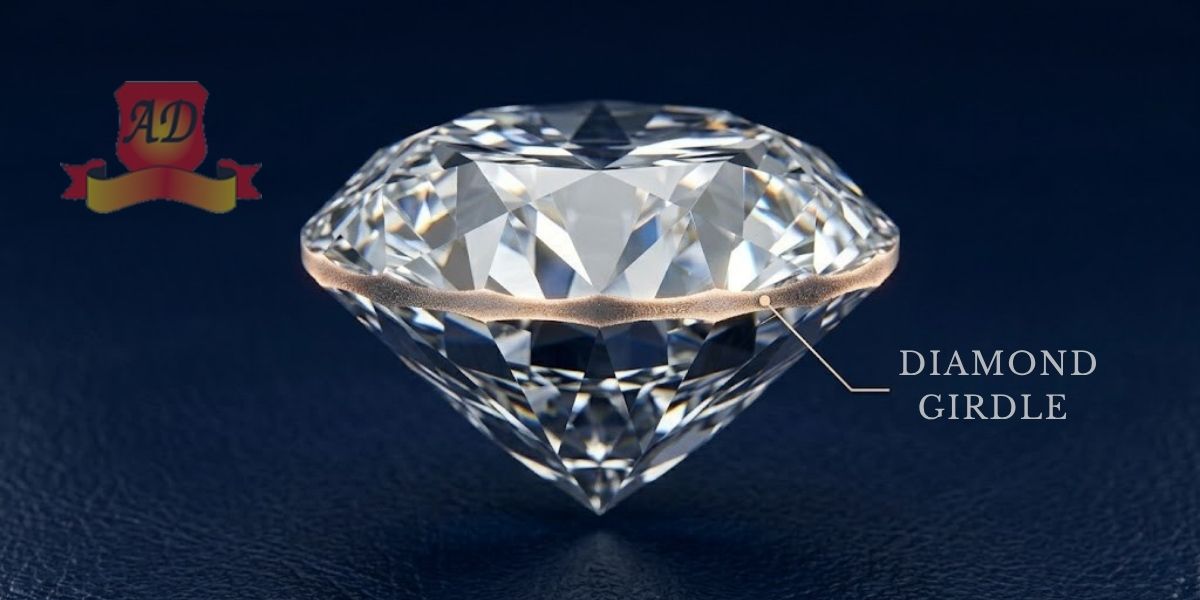
A diamond polish grade shows the smoothness of a diamond's surface. It demonstrates how well the facets were polished after cutting.
Polish is graded using magnification. They inspect the surface for any defects that may have occurred during the polishing process.
These imperfections may include:
- Fine lines
- Burn marks
- Abrasions
- Surface graining
All of these factors can have an impact on light reflection. Even tiny faults might impair the brilliance of high-quality stones.
The standard polish scale includes the following:
- Excellent
- Very Good
- Good
- Fair
- Poor
In B2B business, the highest demand is for “excellent” and “very good” grades.
How Polish Impacts Surface Quality
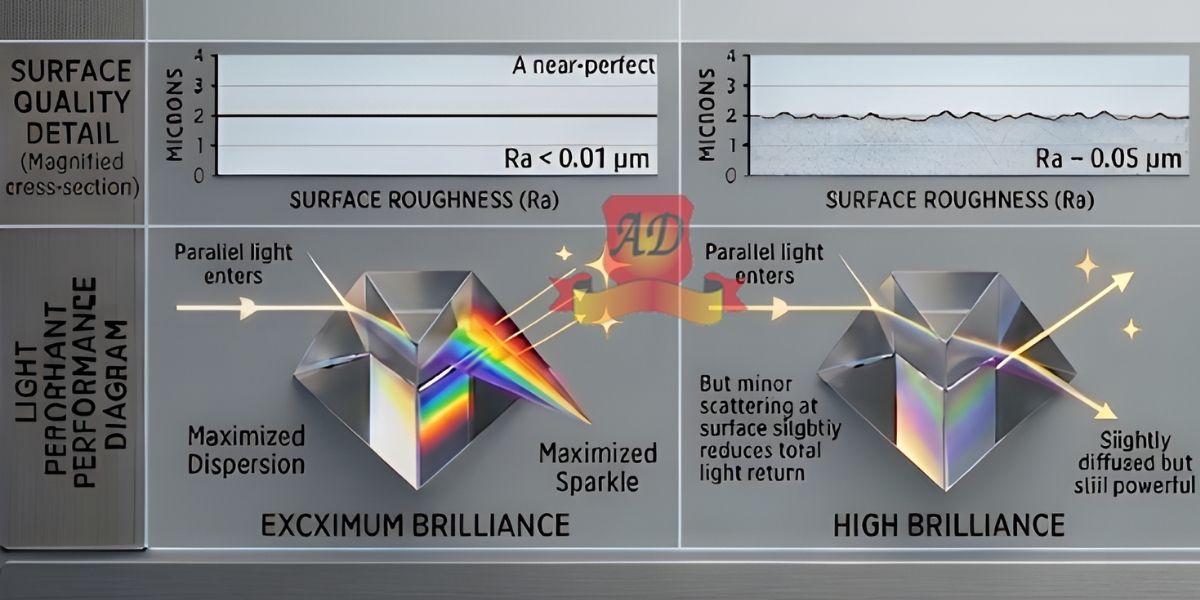
Surface quality indicates how clean and smooth a diamond appears. A higher diamond polish grade ensures fewer surface disturbances. This permits light to reflect evenly across the facets.
Poor polish causes light to disperse unevenly. Such a flaw diminishes both brilliance and fire. Poor polish, even with a strong cut, can hinder performance.
Key effects of polish on surface quality include the following:
1. Light reflection consistency
A properly polished diamond reflects light sharply. Each facet works as a mirror. Lower polish grades cause reflections to appear blurry.
2. Visual clarity
High polish enhances the visual experience. It decreases the visibility of surface markings. This is particularly essential with larger stones, where details are more obvious.
3. Overall finish
Polishing contributes to the stone's final finish. Buyers in the premium sector expect flawless surfaces. A high grade of diamond polish supports this assumption.
The Relationship Between Cut and Polish
Cut and polish work together. They are not identical, although they are closely related.
Cut determines proportions and symmetry. Polish defines surface refinement. Even a well-cut diamond can underperform if the polish is inadequate.
For diamond dealers, maintaining this equilibrium is important. When sourcing certified polished diamonds, both the cut and polish must exceed market expectations.
High-end markets frequently combine excellent cuts with excellent diamond polish grades. This combination maximises brilliance.
Importance in B2B Diamond Trading
In B2B markets, consistency is more important than individual appeal. Buyers prioritise consistency and reliability when they are graded.
A consistent diamond polish grade ensures:
- Predictable visual quality
- Easier inventory classification
- Better alignment with client expectations
For wholesalers and manufacturers, polish has an impact on downstream processes. Jewellery settings highlight surface quality. Any flaws become more evident once mounted.
Polish Grades and Pricing Dynamics
Polish has a direct impact on pricing. Higher grades are more valuable. However, the price difference varies by size and category.
Smaller stones may have a limited influence. In larger stones, even a minor decline in diamond polish grade can have a considerable impact on value.
Buyers often evaluate:
- Stone size
- Clarity grade
- End-use application
For example, in bulk diamond supply, “Very Good” polish may be acceptable. In the luxury solitaire segment, excellent polish is preferred.
Common Polish Defects and Their Impact
Understanding faults enables better sourcing decisions. Some frequent difficulties are the following:
1.Polish lines
These are fine parallel lines. They are the outcome of using the polishing wheel. They may impair transparency under magnification.
2.Burn marks
These are caused by overheating. They can slightly modify surface texture.
3.Abrasions
Small scratches may form along the facet edges. These decrease surface smoothness.
Each imperfection reduces the diamond polish grade. Some are invisible to the human eye, but they have an impact on grading reports.
Choosing the Right Polish Grade for Your Business
Not all businesses demand the highest rating. The best option relies on your market segment.
Consider the following:
- Target audience expectations
- Price sensitivity
- Jewellery application
A combination of grades can help loose diamond manufacturers (Title: Loose Diamond Manufacturer in Belgium) optimise inventories. For luxury dealers, high polish ratings are necessary.
A strategic strategy leads to higher profitability and client happiness.
Role of Certification in Polish Grading
Certification promotes trust. Grading criteria are consistent at laboratories such as the GIA and IGI.
A certified diamond polish grade ensures:
- Transparency in transactions
- Confidence for buyers
- Easier global trade
In B2B deals, certification lowers conflicts. It establishes a standard language for quality.
Trends in Diamond Polishing Standards
The industry continues to change. Advanced technology enhances polishing precision.
Modern trends include:
- Higher demand for Excellent polish
- Increased automation in polishing
- Greater focus on diamond surface quality
Global buyers now expect a higher finish, even in mid-range categories.
The diamond polish grade is more than just a technical specification. It determines how a diamond operates and is viewed. B2B buyers rely on it for sourcing, pricing, and inventory planning.
A thorough mastery of polish allows for more informed decision-making. It guarantees that all stones satisfy market expectations. It also promotes long-term commercial ties.
At Anita Diamonds, the emphasis is on ensuring consistency in all grades. With extensive industry knowledge, the methodology is in line with growing worldwide standards.