Heart-shaped diamonds drive Valentine buying as emotion leads demand, helping diamond dealers plan assortments, meet retailer needs, and build brand values.
Valentine's Day has always had an impact on diamond-buying behaviour. Demand patterns change, with emotional value assuming a central role.
This season, diamond dealers should prioritise thoughtful assortment plans over aggressive sales. Among all fancy cuts, heart-shaped diamonds remain popular in Valentine's collections.
Their significance goes beyond symbols. It connects to supply planning, retailer expectations, and long-term brand positioning.
Understanding why this cut performs well is helpful for B2B diamond dealers because it helps them to refine inventory decisions and strengthen retail relationships.
The Emotional Logic Behind Valentine Demand
Emotion drives Valentine's Day, making it one of the most precious moments. Jewellery buyers seek meaning first and price second. The heart symbol is a perfect fit for this mindset.
Heart diamonds convey love, loyalty, and intention without explanation. Retailers favour items that communicate instantly. This cut minimises the necessity of detailed storytelling. The shape itself conveys the message.
This transparency benefits diamond dealers by making it easier to convert interest into sales. Emotional alignment shortens decision cycles, which is important.
Heart-Shaped Diamonds – An Attractive Offering
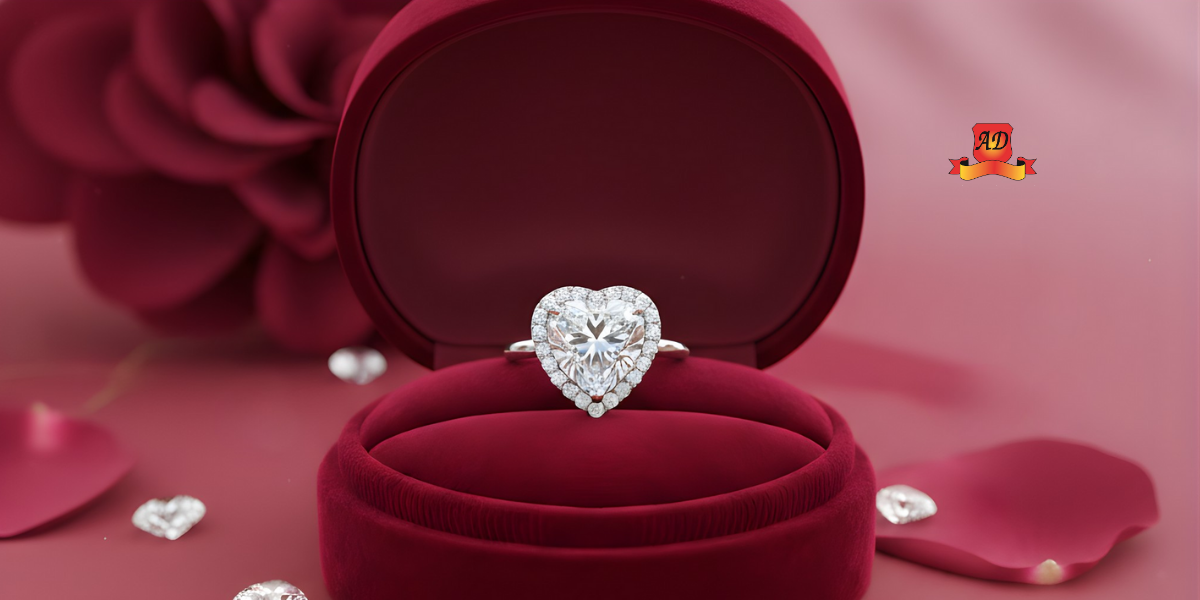
Every strong Valentine collection needs a visual base. They are very effective in this role. They stand out in showcases, advertising, and online listings. Their shape draws attention even at lower carat weights.
From a wholesale perspective, this cut supports seasonal planning. Dealers can predict demand with better confidence compared to experimental shapes. Retailers often request these stones early to build their Valentine narratives.
This uniformity allows diamond dealers to manage stock movement while promoting retail sell-through effectively.
Retailer Confidence and Familiar Consumer Appeal
Retailers appreciate products that combine emotion and familiarity. Heart-shaped diamonds are unique but not damaging. Consumers recognise the cut and appreciate its significance.
This familiarity eases the educational burden at the retail level. For diamond dealers, supplying these diamonds helps partners to focus on presentation and relationship-building rather than extensive explanations.
It also promotes recurring seasonal purchases. Retailers who have consistent performance tend to repurchase the same categories year after year.
Design Versatility Across Valentine Collections
One reason diamond sellers choose heart-shaped diamonds is their design flexibility. This cut is suitable for a wide range of jewellery styles.
Rings remain the most popular choice, but pendants, earrings, and minimal solitaires also work well.
This versatility allows retailers to create layered Valentine's collections. Entry-level pieces appeal to first-time buyers. Higher-value designs serve premium customers.
For B2B suppliers, this means a single stone shape can serve numerous retail tactics while maintaining brand consistency.
Inventory Efficiency for Diamond Dealers
Inventory efficiency is equally important for trade as aesthetics. Heart-shaped diamonds provide consistent grading parameters and known demand benchmarks.
Dealers can plan assortments based on size and symmetry, and they can make them with greater precision. This decreases the possibility of dead stock when the Valentine's Day period has ended.
Many retailers continue to sell these natural diamonds after February, particularly for anniversaries. This increased relevance boosts overall product turnover for both the dealer and retailer.
Visual Impact in Digital and Physical Retail
Modern Valentine campaigns focus mainly on visuals. Social media, email marketing, and e-commerce platforms all require excellent pictures. Heart-shaped diamonds photograph well and convey emotion instantly.
This visual advantage benefits diamond dealers who serve omnichannel businesses. Retailers might reuse the same stone across multiple touchpoints.
In physical stores, the distinct outline draws attention even from a distance. This makes them ideal for window displays and promotional presentations.
Alignment with Customisation and Personalisation Trends
On Valentine's Day, customers are increasingly seeking custom jewellery. Heart-shaped diamonds are a good fit for this style. They work well with engravings, colour accents, and custom settings.
This shape promotes collaboration among diamond dealers, production partners, and bespoke jewellers. The cut adapts to specific demands while maintaining its identity.
This adaptability enhances dealer relevance in a market that values both originality and heritage.
Trust and Quality Expectations in Heart Diamonds
The heart-cut diamond requires precision. Symmetry, cleft definition, and overall balance are important. Retailers rely on reputable diamond dealers to find stones that match these specifications.
Supplying well-cut heart-shaped diamonds boosts dealer credibility. Retailers associate consistent quality with reliable partnerships.
This trust is especially vital during high-pressure times like Valentine's Day, when returns or quality issues can strain relationships.
Long-Term Brand Value for Established Diamond Houses
Established diamond brands frequently focus on cuts that reflect legacy and emotional narrative. Heart-shaped diamonds are consistent with these values.
For a business with market presence, incorporating this cut into Valentine collections reinforces continuity rather than chasing trends. It conveys stability, experience, and an understanding of consumer psychology.
This technique is particularly effective in B2B interactions, where retailers prefer suppliers with a clear and reliable identity.
Strategic Takeaways for Diamond Dealers
Prioritising heart-shaped diamonds in Valentine collections is more than just a feeling. It is a calculated trade decision. The cut provides emotional clarity, visual impact, and inventory reliability.
For diamond dealers, it promotes steady seasonal demand while increasing retailer trust. It offers greater design, price, and merchandising options while maintaining brand positioning.
Most importantly, it connects business aims to genuine customer emotion, which remains the primary motivator for Valentine's Day jewellery purchases.
Valentine's Day continues to favour diamond dealers who think ahead rather than act on impulse. Heart-shaped diamonds remain popular because they combine emotion, design, and trade practicality in one form. Their importance extends beyond seasons, channels, and customer categories.
If you're looking for a dependable B2B partner who understands the trade value of heart-shaped diamonds, contact Anita Diamonds.